When a Notification Becomes a Diagnosis: Wearables and Health Anxiety in Britain
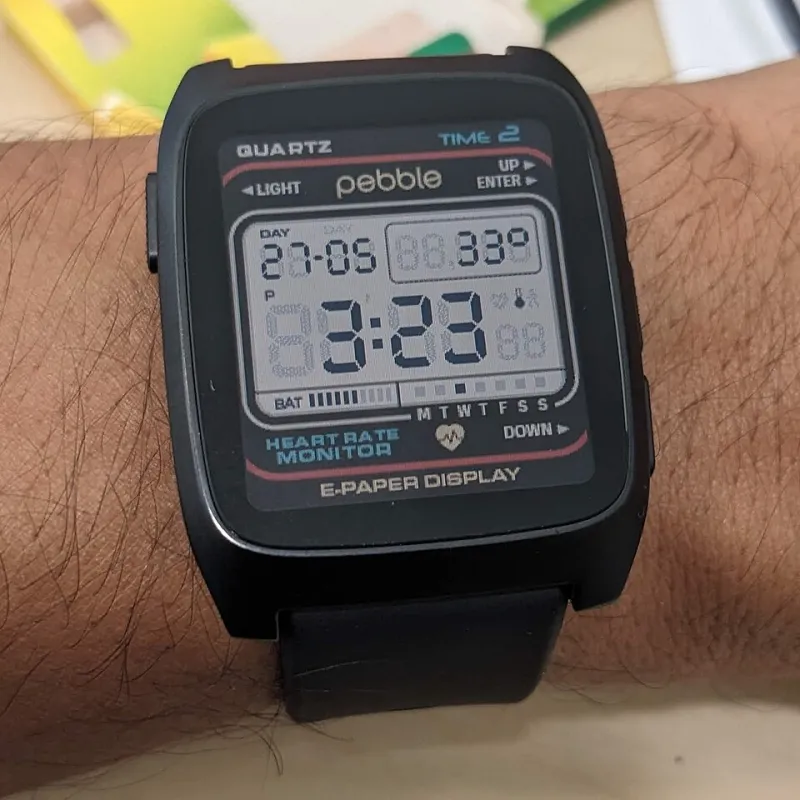
Photo: Waldyrious, CC BY-SA 4.0, via Wikimedia Commons
It is 7.40am in November 2026, and a wrist buzzes. The watch reports a heart rate of 142. The wearer is sitting at the kitchen table, not running for a train. Within minutes, a familiar sequence begins: a search for “142 resting heart rate”, a scroll through forum posts about atrial fibrillation, a check of the watch again, then another check. By the time the kettle boils, the morning has been organised around a number.
Wearable health tracking has become ordinary in the UK. Watches and rings log steps, sleep stages, blood oxygen, heart rhythm and more. For some people with diagnosed conditions, that data is genuinely useful. For others, it creates a low-level surveillance of the body that makes ordinary sensations feel like evidence. The result is not necessarily a new illness, but a new way for anxiety to find material.
What the data can and cannot say
A single-lead ECG on a smartwatch can suggest an irregular rhythm. It cannot diagnose atrial fibrillation, and it cannot explain why a heart rate is high at a particular moment. Optical heart-rate sensors are less accurate during movement, and sleep scores are proprietary estimates rather than clinical measurements. A notification is a prompt to think, not a verdict.
That distinction matters because UK guidance allows some single-lead ECG devices to be used within specified clinical pathways for detecting atrial fibrillation, but it does not turn consumer alerts into diagnoses. The NHS is clear that people with symptoms such as chest pain, fainting or severe breathlessness should seek urgent help rather than consult a device. A watch may notice a signal; a clinician interprets it.
Why a reading can hijack a morning
Health anxiety works through a loop: a sensation or reading is noticed, interpreted as dangerous, checked, and temporarily relieved. Wearables accelerate that loop because they provide endless opportunities to check. The watch is not neutral in this process. It is a small slot machine of signals, and the reassurance it offers is usually short-lived.
Dr Google fills the gaps. A search for a high heart rate can return everything from anxiety to a rare arrhythmia, with little sense of base rates or context. In a country where GP appointments can be hard to secure, the internet can feel like the only available triage service. But the information is often decontextualised, and the act of searching can increase rather than reduce uncertainty.
This is not a story about weak character. It is about a technology that gives the body a continuous audit trail and then leaves the interpretation to an anxious mind. Some people find that reassuring. Others find that it turns a normal flutter, a coffee, a stressful email or a flight of stairs into a medical event.
The evidence on self-monitoring
Research on screening for atrial fibrillation suggests that wearable detection can increase the number of people diagnosed, but the net benefit is still debated. More detection is not automatically better if it leads to treatment of rhythms that would never have caused harm, or if it generates anxiety and further tests without improving outcomes.
The psychological evidence is more familiar. Repeated checking tends to maintain health anxiety rather than resolve it. Reassurance, whether from a search engine, a forum or a repeated ECG, often works briefly and then wears off. Self-monitoring can be helpful when it is tied to a clear clinical purpose and a response plan. It is less helpful when it becomes an open-ended project of risk detection.
Using trackers without letting them use you
A few practical rules can make tracking more proportionate. Decide in advance what you are tracking and why. Look at trends over weeks rather than single readings, and note context: caffeine, stress, illness, stairs, a heated meeting. If an abnormal heart-rate notification is causing repeated checking but you have no symptoms, discuss it with a GP rather than disabling it in a panic. If you have a known heart condition, do not change alert settings without clinical advice.
It can also help to create friction. Turn off bedtime notifications that invite middle-of-the-night searching. Keep a simple paper log of symptoms and questions for a GP appointment instead of opening a browser at 2am. If checking has become a ritual, try a planned “worry window” and postpone the search until then. The aim is not to ignore data but to give it proportionate weight.
When to speak to a GP rather than Dr Google
Seek urgent help for chest pain, fainting, severe breathlessness, palpitations with dizziness, confusion or a feeling that something is seriously wrong. For non-urgent concerns, a GP can review symptoms, family history and the readings themselves. Bring a short summary rather than a month of raw data. Ask whether further investigation is warranted, and ask what would make it unnecessary.
If the main problem is anxiety rather than a confirmed heart condition, that is a legitimate reason to see a GP. NHS Talking Therapies can offer CBT for health anxiety, and a clinician can help distinguish cardiac symptoms from anxiety symptoms without dismissing either. If health anxiety is affecting work, occupational health and reasonable adjustments may also be part of the conversation.
The watch is a tool. It is not a doctor, a diagnosis or a moral judge. The useful question is not “what does this number mean?” but “what would I do differently if I knew?” Often the answer is: live the morning, note the symptoms, and speak to a clinician when there is a reason to.